



Epigenetic Reader Domain
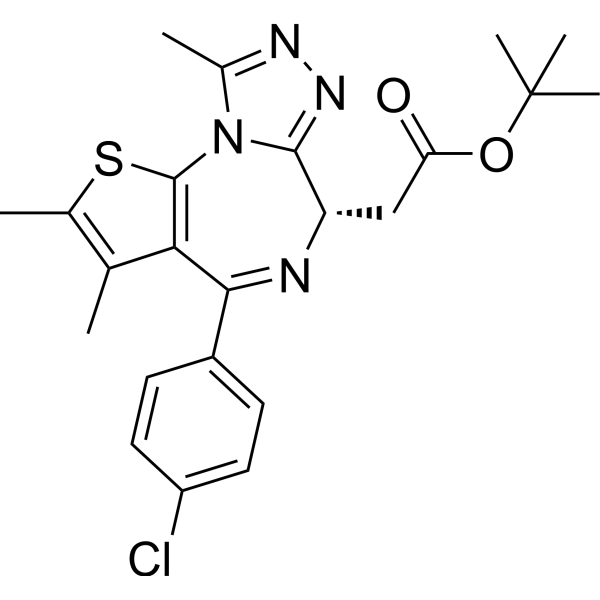
Epigenetic regulators of gene expression and chromatin state include so-called writers, erasers, and readers of chromatin modifications.Well-characterized examples of reader domains include bromodomains typically binding acetyllysine and chromatin organization modifier (chromo), malignant brain tumor (MBT), plant homeodomain (PHD), and Tudor domains generally associating with methyllysine. Research on epigenetic readers has been tremendously influenced by the discovery of selective inhibitors targeting the bromodomain and extraterminal motif (BET) family of acetyl-lysine readers. The human genome encodes 46 proteins containing 61 bromodomains clustered into eight families. Distinct experimental approaches are used to identify the first BET inhibitors, GSK 525762A and (+)-JQ-1.
The Polycomb group (PcG) protein, enhancer of zeste homologue 2 (EZH2), has an essential role in promoting histone H3 lysine 27 trimethylation (H3K27me3) and epigenetic gene silencing. This function of EZH2 is important for cell proliferation and inhibition of cell differentiation, and is implicated in cancer progression. Cyclin-dependent kinases regulate epigenetic gene silencing through phosphorylation of EZH2. In many types of cancers including lymphomas and leukemia, EZH2 is postulated to exert its oncogenic effects via aberrant histone and DNA methylation, causing silencing of tumor suppressor genes.
p300/CBP is not only a transcriptional adaptor but also a histone acetyltransferase.
Epigenetic Reader Domain Isoform Specific Products
-
Epigenetic Reader Domain
(447)
View all products
-
Brd
(3)
View all products
-
BRPF1
(9)
View all products
-
BRPF2
(5)
View all products
-
BRPF3
(2)
View all products
-
BRD2
(67)
View all products
-
BRD3
(62)
View all products
-
BRD4
(300)
View all products
-
BRDT
(27)
View all products
-
CECR2
(4)
View all products
-
BD1
(9)
View all products
-
BD2
(9)
View all products
-
BRD7
(9)
View all products
-
BRD9
(56)
View all products
-
BET
(22)
View all products
-
BAZ
(1)
View all products
All Product Categories
-
Epigenetic Reader Domain Inhibitors
(590)
View all products
-
Epigenetic Reader Domain Agonists
(3)
View all products
-
Epigenetic Reader Domain Antagonists
(2)
View all products
-
Epigenetic Reader Domain Activators
(11)
View all products
-
Epigenetic Reader Domain Modulators
(3)
View all products
-
Epigenetic Reader Domain Chemicals
(2)
View all products
-
Epigenetic Reader Domain Inducer
(1)
View all products
-
Epigenetic Reader Domain Degraders
(171)
View all products
-
Epigenetic Reader Domain Controls
(13)
View all products
-
Epigenetic Reader Domain Substrate
(1)
View all products
-
Epigenetic Reader Domain Ligands
(29)
View all products
-
Epigenetic Reader Domain 관련 제품 (905)
관련 제품 (905)

-
Antibodies (109)
-
Epigenetic Reader Domain Isoform Comparison
-
A-485
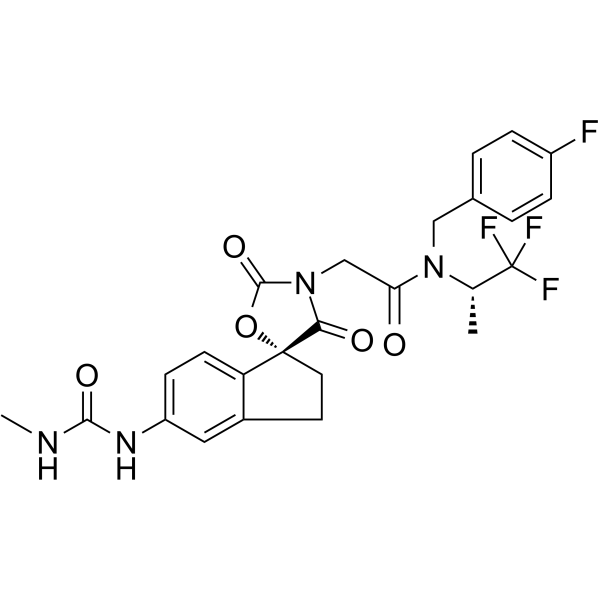 0 ImagesA-485, a chemical probe, is a potent and selective catalytic inhibitor of p300/CBP with IC50s of 9.8 nM and 2.6 nM for p300 and CBP histone acetyltransferase (HAT), respectively.
-
Curcumin
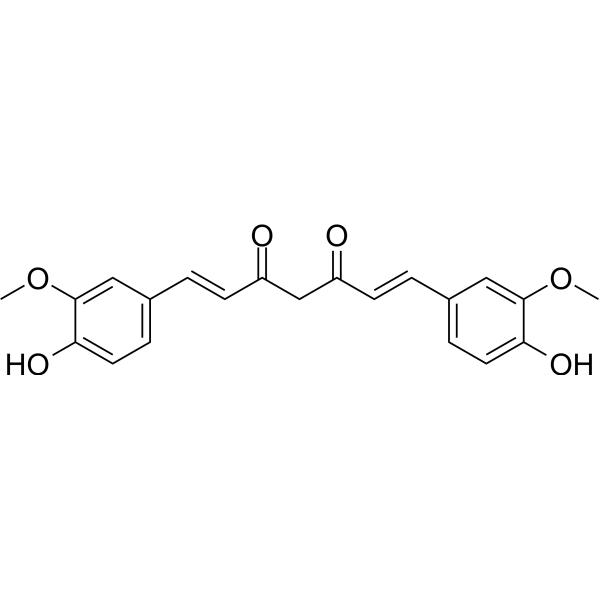 0 ImagesSynonyms: Diferuloylmethane; Natural Yellow 3; Turmeric yellowCurcumin (Diferuloylmethane), a natural phenolic compound, is a p300/CREB-binding protein-specific inhibitor of acetyltransferase, represses the acetylation of histone/nonhistone proteins and histone acetyltransferase-dependent chromatin transcription. Curcumin is a photosensitizer against microorganisms. Curcumin shows inhibitory effects on NF-κB and MAPKs, and has diverse pharmacologic effects including anti-inflammatory, antioxidant, antiproliferative and antiangiogenic activities. Curcumin induces stabilization of Nrf2 protein through Keap1 cysteine modification.
-
C646
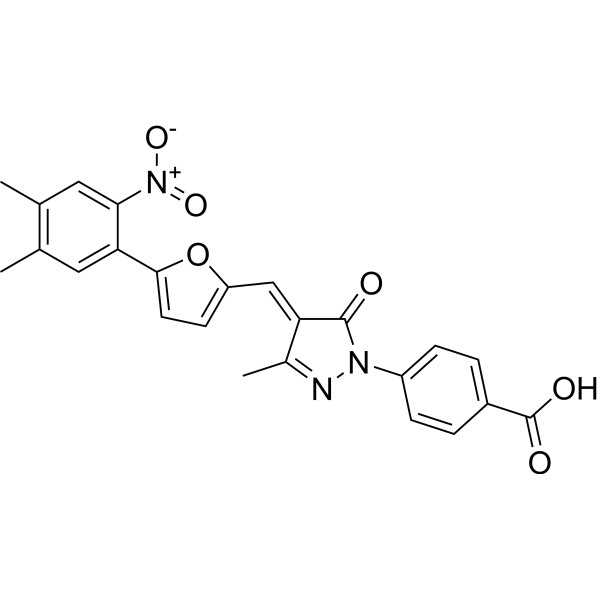 0 ImagesC646 is a selective and competitive histone acetyltransferase p300 inhibitor with Ki of 400 nM, and is less potent for other acetyltransferases.
-
Revumenib
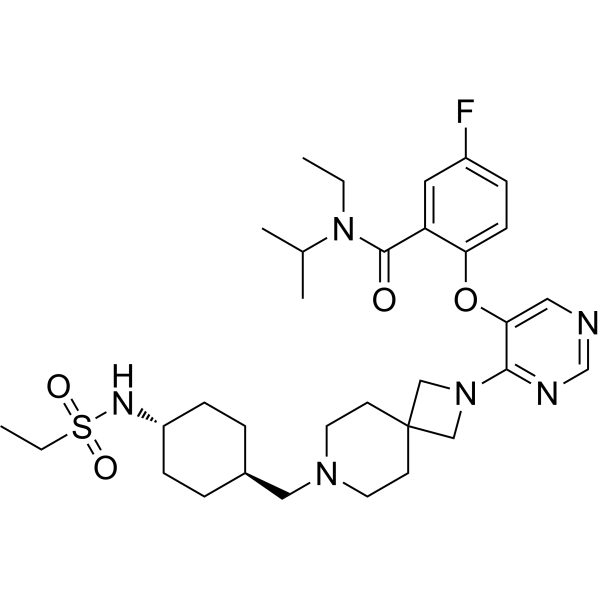 0 ImagesSynonyms: SNDX-5613Revumenib (SNDX-5613) is a potent and specific Menin-MLL inhibitor with a binding Ki of 0.149 nM and a cell based IC50 of 10-20 nM. Revumenib can be used for the research of MLL-rearranged (MLL-r) acute leukemias, including acute lymphoblastic leukemia (ALL) and acute myeloid leukemia (AML).
-
ARV-825
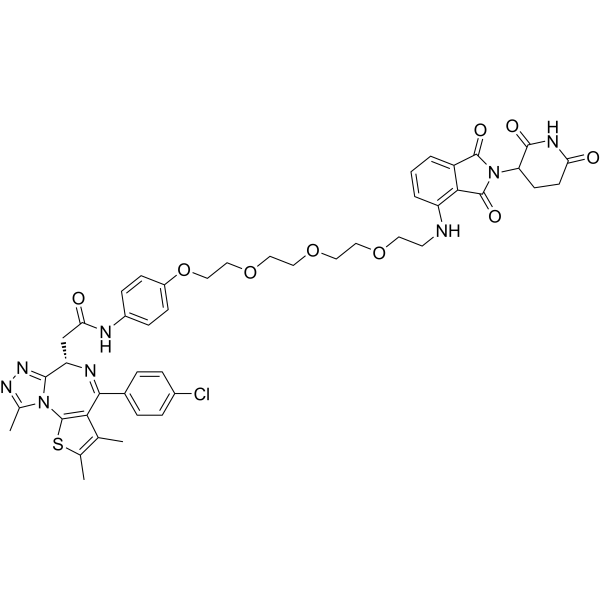 0 ImagesARV-825 is a BET protein PROTAC degrader that recruits cereblon, and it targets BRD2, BRD3, and BRD4 for degradation via the ubiquitin-proteasome pathway. ARV-825 downregulates c-MYC, PLK1, MYCN, CDK4/6, JAK2, pSTAT3/5, PIM1, and Bcl-xL, upregulates p21 and p27, and modulates H3K27Ac-mediated transcription, the G2/M checkpoint, the Wnt/β-catenin pathway, and amino acid transport pathways. ARV-825 induces G1 phase cell cycle arrest, caspase 3/PARP-mediated apoptosis, DNA damage, and reactive oxygen species (ROS) production, reduces mitochondrial respiration, and simultaneously inhibits cell proliferation, clonogenic growth, and cell migration. ARV-825 is used in research on gastric cancer, leukemia, neuroblastoma, and cholangiocarcinoma.
-
Birabresib
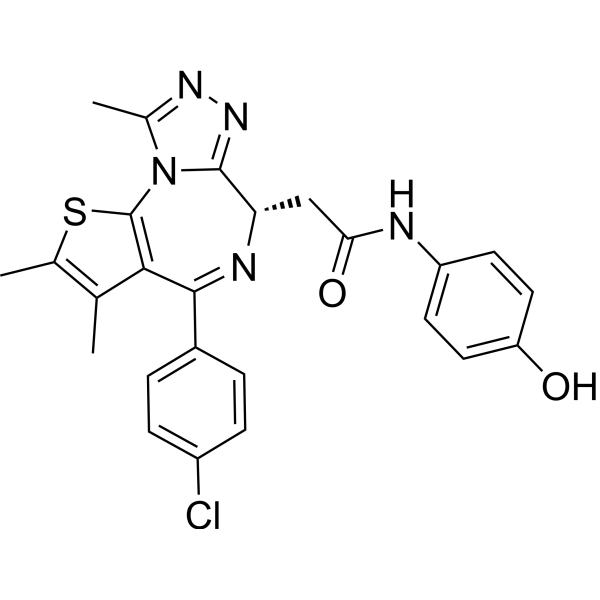 0 ImagesSynonyms: OTX-015; MK-8628Birabresib (OTX-015) is a potent bromodomain (BRD2/3/4) inhibitor with IC50s ranging from 92 to 112 nM.
-
ARV-771
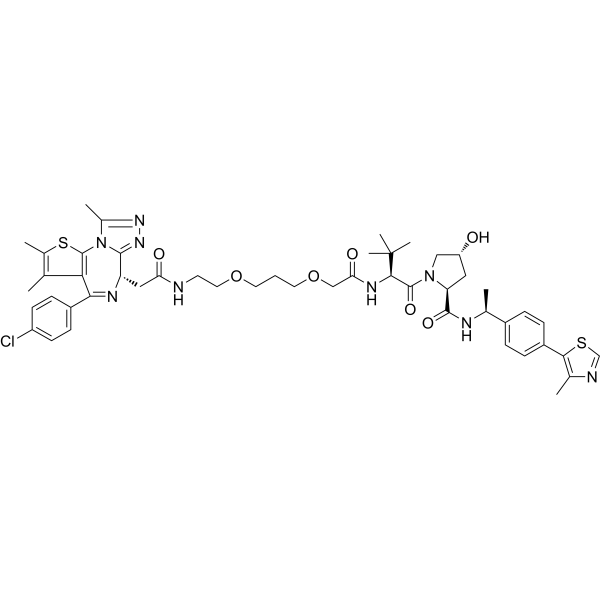 0 ImagesARV-771 is a BET PROTAC degrader, with Kd values of 34, 4.7, 8.3, 7.6, 9.6 and 7.6 nM against BRD2 (1), BRD2 (2), BRD3 (1), BRD3 (2), BRD4 (1) and BRD4 (2) , respectively. ARV-771 inhibits the transcription of AR/AR-v7 and its downstream target genes. By degrading BRD4 protein, ARV-771 enhances the sensitivity of prostate cancer cells to ferroptosis, suppresses cancer cell viability, and induces apoptosis. ARV-771 downregulates the levels of BRD4, c-MYC and AR-V7 in tumor tissues and inhibits tumor tissue growth. ARV-771 can be used in prostate cancer-related research.
-
5-Ph-IAA
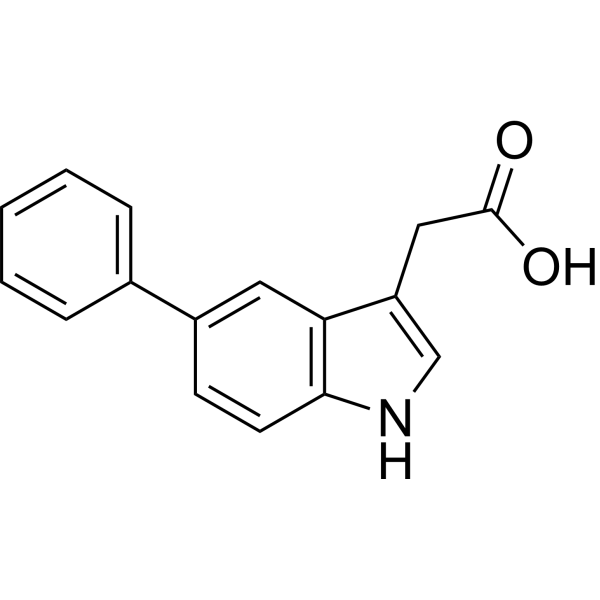 0 Images5-Ph-IAA is a derivative of IAA. 5-Ph-IAA, a ligand, establishes the auxin-inducible degron 2 (AID2) system together with an OsTIR1 (F74G) mutant. AID2 induces rapid and efficient depletion of mAID-fused proteins to study protein function in living cells, causing tumor suppression.
-
Rolipram
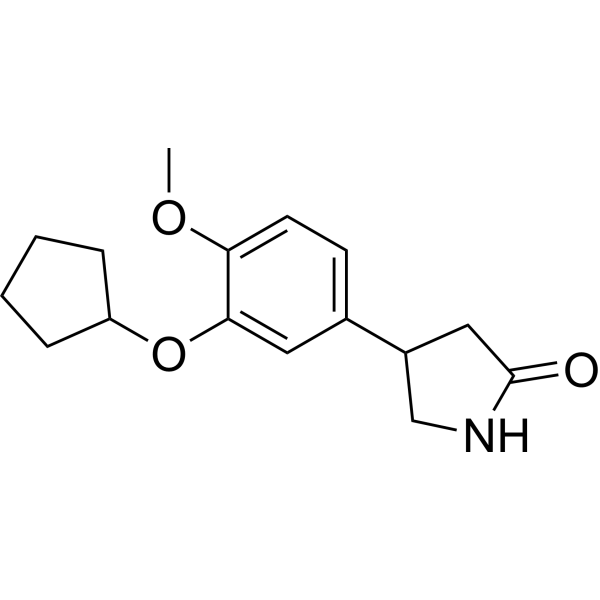 0 ImagesSynonyms: (R,S)-Rolipram; (±)-Rolipram; ZK 62711Rolipram is a PDE4 inhibitor, with blood-brain barrier permeability, that reverses β-amyloid-induced learning and memory impairment in rats. Rolipram elevates intracellular cAMP and clevels and regulates the cAMP/CREB signaling pathway, thereby alleviating neuroinflammation and apoptotic responses. Rolipram promotes neuronal differentiation of human bone marrow mesenchymal stem cells and inhibits Methamphetamine- and morphine-induced hyperlocomotion in mice. Rolipram also reduces the viability of glioblastoma stem-like cells and enhances Bevacizumab (HY-P9906)-induced cell death. Rolipram inhibits the expression of proinflammatory cytokines and enhances central noradrenergic transmission. Rolipram is mainly used in studies related to various central nervous system diseases including Alzheimer's disease, major depressive disorder, glioblastoma multiforme, and multiple sclerosis.
-
Inobrodib
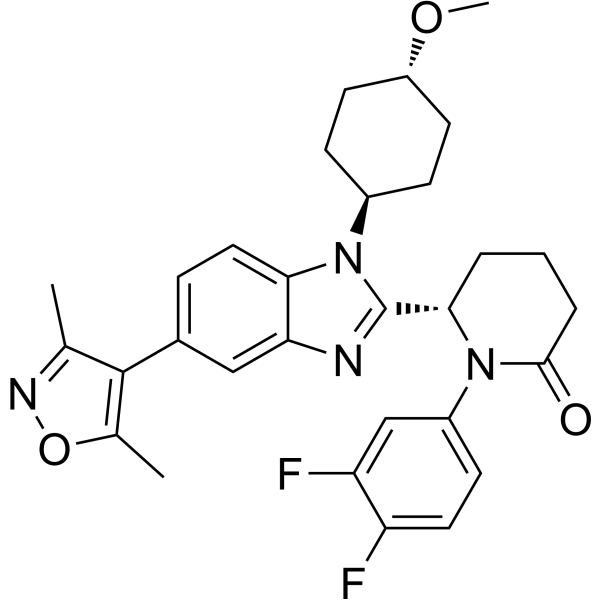 0 ImagesSynonyms: CCS1477Inobrodib (CCS1477) is an orally active, potent, and selective inhibitor of the p300/CBP bromodomain. Inobrodib binds to p300 and CBP with Kd values of 1.3 and 1.7 nM, respectively, and with 170/130-fold selectivity compared with BRD4 with a Kd of 222 nM. CCS1477 inhibits cell proliferation in prostate cancer cell lines and decreases androgen receptor (AR)- and C-MYC-regulated gene expression.
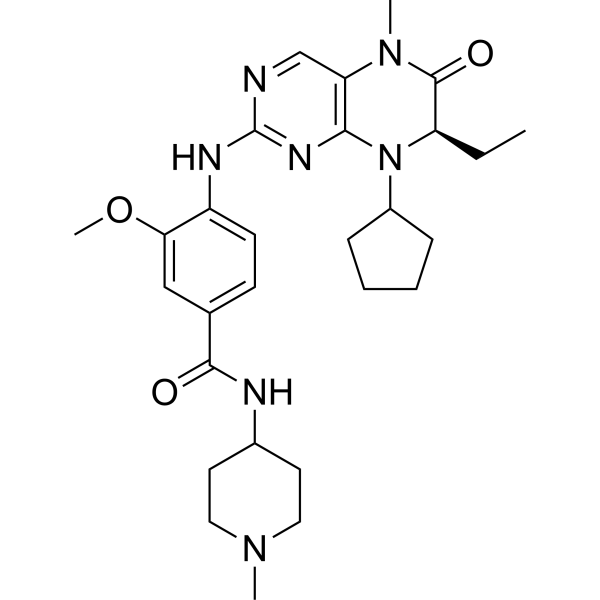
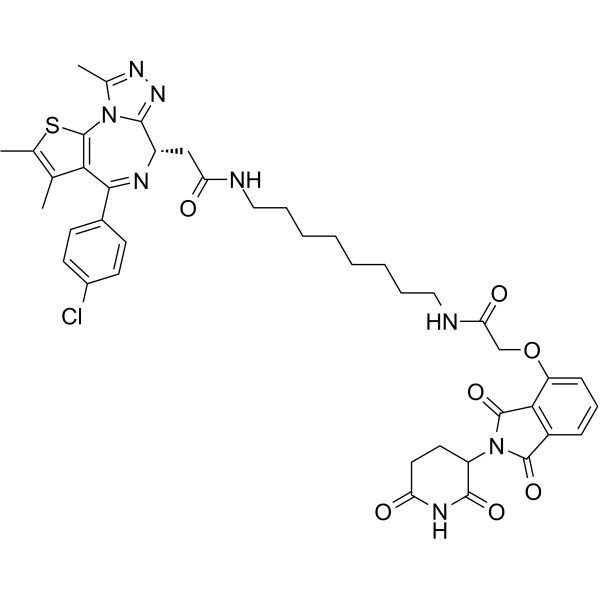
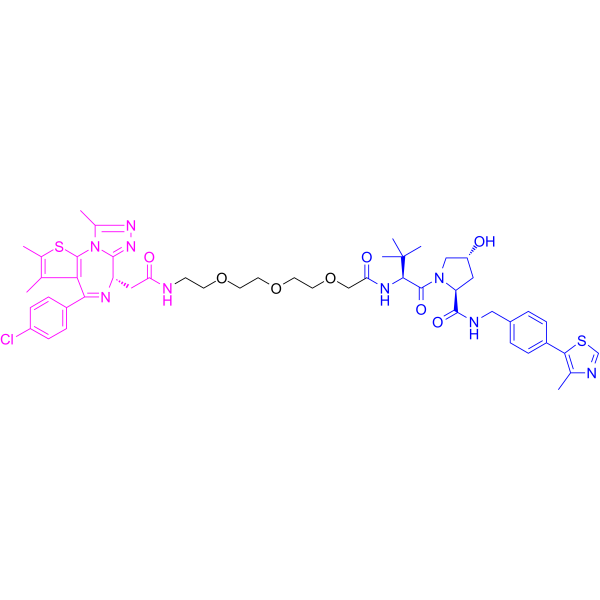
-
SGC-CBP30
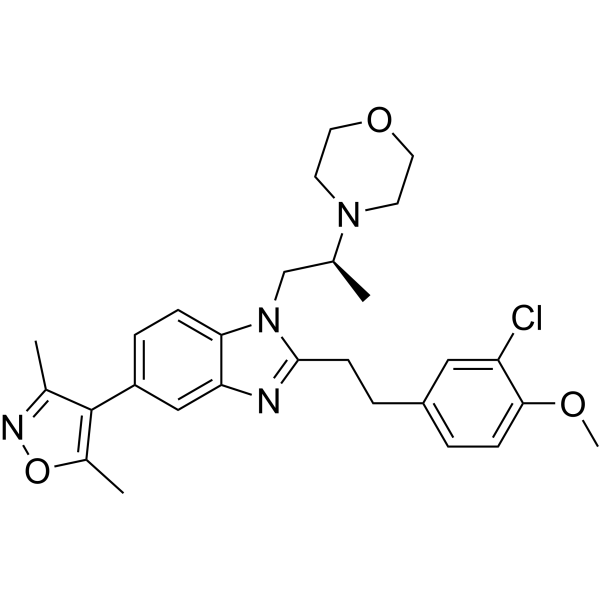 0 ImagesSGC-CBP30, a chemical probe, is a potent and highly selective CBP/p300 bromodomain (Kds of 21 nM and 32 nM for CBP and p300, respectively) inhibitor, displaying 40-fold selectivity over the first bromodomain of BRD4 [BRD4(1)] bound. SGC-CBP30 strongly reduces secretion of IL-17A in Th17 cells and has anti-inflammatory effects.
-
VTP50469
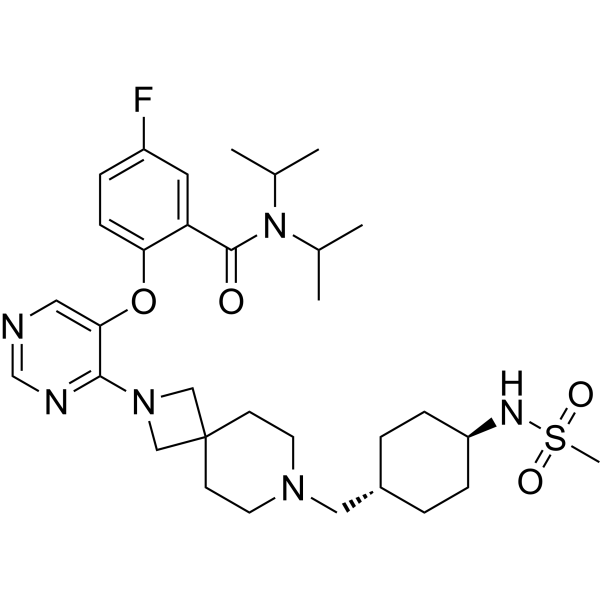 0 ImagesSynonyms: SNDX-50469VTP50469 is a potent, highly selective and orally active Menin-MLL interaction inhibitor with a Ki of 104 pM. VTP50469 has potently anti-leukemia activity.
-
MG 149
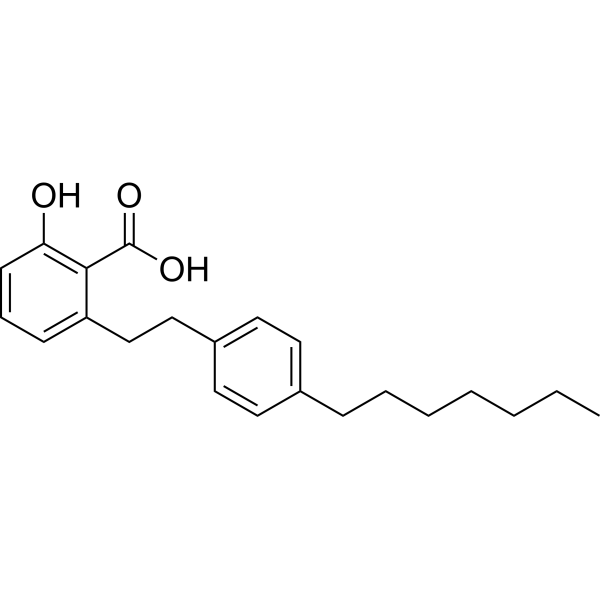 0 ImagesSynonyms: Tip60 HAT inhibitorMG149 (Tip60 HAT inhibitor) is a selective and potent Tip60 inhibitor with IC50 of 74 uM, similar potentcy for MOF (IC50 = 47 uM); little potent for PCAF and p300 (IC50 >200 uM). MG 149 inhibits KAT8 and blocks PINK1 kinase activity. MG149 inhibits the phosphorylation of Parkin and ubiquitin, thereby suppressing the initiation of PINK1-dependent mitophagy. MG 149 can reverse chronic restraint stress (CRS) induced hypertension and related molecular changes. MG 149 commonly used in research on diseases such as hypertension and Parkinson's disease.
-
Ziftomenib
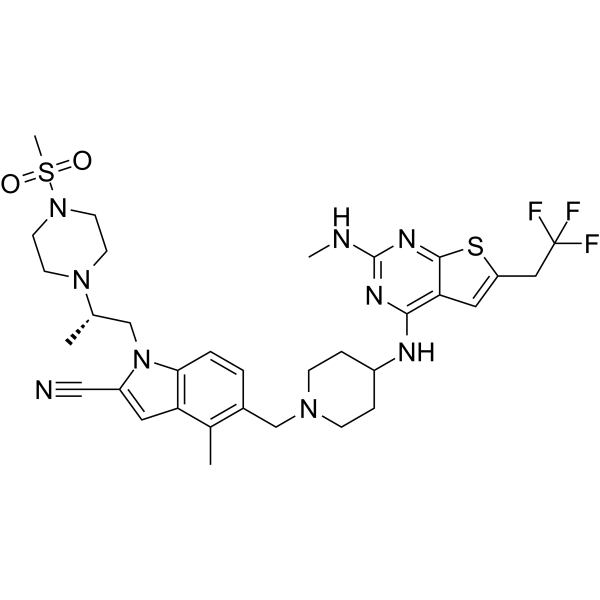 0 ImagesSynonyms: KO-539Ziftomenib (KO-539) is an orally active menin-MLL interaction inhibitor with antitumor activities (WO2017161028A1, compound 151).
-
Anacardic Acid
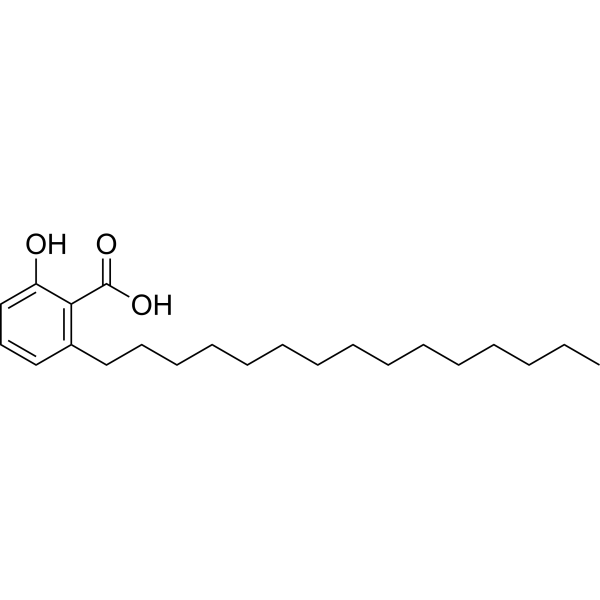 0 ImagesSynonyms: Hydroginkgolic acid; Ginkgolic Acid C15:0Anacardic Acid, extracted from cashew nut shell liquid, is a histone acetyltransferase inhibitor, inhibits HAT activity of p300 and PCAF, with IC50s of ∼8.5 μM and ∼5 μM, respectively.




